Books Like Conversations with Friends: 9 Novels
If Rooney's cool, intimate dissection of friendship, desire, and miscommunication gripped you, these novels of modern relationships hit the same nerve.

Sally Rooney’s Conversations with Friends announced one of the most distinctive voices in contemporary fiction. Cool, intimate, and emotionally precise, it follows a complex web of friendship, love, and rivalry among young people in Dublin, dissecting desire, miscommunication, and the slippery dynamics of closeness with unusual honesty. Rooney’s spare, dialogue-driven style and her focus on the inner lives of her characters have made her a defining writer of her generation.
The books below share that sensibility — the fierce intimacy of young relationships, the intelligence and emotional precision, and the willingness to take friendship and desire as seriously as any grand subject. Some are by Rooney herself; others come from the writers she is most often compared to.
More Rooney, and Her Closest Kin
#1 — Normal People by Sally Rooney
The essential next read. Rooney’s most beloved novel traces the on-and-off relationship of two young people from school through university with the same cool intimacy and psychological precision. Spare and devastating, it is the natural follow-up for anyone gripped by Conversations with Friends.
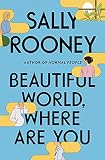
#2 — Beautiful World, Where Are You by Sally Rooney
Rooney’s later novel extends her project to four characters navigating love, friendship, work, and politics in their late twenties and thirties. Its emails between friends debating how to live give it an essayistic depth that Conversations with Friends readers will appreciate.
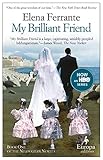
#3 — My Brilliant Friend by Elena Ferrante
Ferrante’s masterpiece shares Rooney’s fierce honesty about friendship, rivalry, and the formation of a self, on the larger canvas of postwar Naples. For readers who loved the intensity of Rooney’s relationships, it is an essential companion and the start of a great saga.
Intense, Intimate Relationships
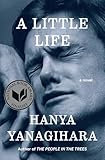
#4 — A Little Life by Hanya Yanagihara
Yanagihara’s epic follows four friends across decades, charting devotion, damage, and the way relationships sustain and fail us. Far darker than Rooney, it shares her commitment to taking friendship and love with total seriousness, and to following emotional lives in unflinching detail.
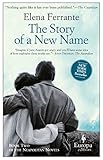
#5 — The Story of a New Name by Elena Ferrante
The second Neapolitan Novel deepens the love and rivalry between Elena and Lila as they move into adulthood. Its intimate, propulsive examination of a complex bond is a perfect match for readers drawn to the relational intensity of Conversations with Friends.
#6 — The Idiot by Elif Batuman
Batuman’s wry, intelligent novel of a young woman’s first year at university — and a confounding long-distance not-quite-romance conducted largely over email — shares Rooney’s cool wit, intellectual texture, and attention to the awkward miscommunications of young love.
Coming of Age and the Modern Self
#7 — Swing Time by Zadie Smith
Smith traces a complicated friendship between two girls from childhood into adulthood, exploring race, class, ambition, and the ways friends shape each other. Its sharp intelligence and its focus on a defining female friendship resonate strongly with Rooney’s concerns.
#8 — The Secret History by Donna Tartt
Tartt’s atmospheric novel of a clique of classics students bound by a terrible secret shares Rooney’s preoccupation with youthful intimacy, intellectual intensity, and class. More plot-driven, it offers the same immersive closeness to a group of young people.
#9 — The Marriage Plot by Jeffrey Eugenides
Eugenides follows three brilliant young people from college into the messy realities of love and adulthood, with the intelligence and emotional precision Rooney readers love. Its examination of desire, ambition, and miscommunication makes it a natural fit.
Where to Go from Here
Where you go next depends on what drew you to Rooney. If it was simply her voice — cool, intimate, dialogue-driven — the obvious move is to read straight through her own novels, beginning with Normal People. If it was the fierce, unsentimental honesty about friendship and rivalry, Ferrante’s Neapolitan Novels offer the deepest version of that, while A Little Life takes the intensity of chosen bonds to a devastating extreme. And if it was the sharp, intellectual texture — young people thinking and talking their way through love and politics — The Idiot, Swing Time, and The Marriage Plot deliver that wit and depth.
What unites these books is the conviction that the inner lives of young people, their loves and friendships and confusions, are worthy of the most serious literary attention. Rooney made that case so persuasively that she helped define a sensibility, and the novels above share it: spare or sweeping, cool or anguished, they all take the heart’s complications seriously. Any of them will reward readers who finished Conversations with Friends wanting more of that particular, precise intimacy. Read together, they form a kind of curriculum in the modern relationship novel — the cool detachment of Rooney, the searing intimacy of Ferrante, the decades-long devotion of Yanagihara — and each illuminates the others. Whichever you pick up next, you will find more of the precise, unsparing attention to how people love, hurt, and need one another that makes Rooney so addictive.
Worth a Look
Two further directions reward Conversations with Friends readers. The whole of Sally Rooney’s catalogue — Normal People, Beautiful World, Where Are You, and beyond — offers more of the cool, intimate, dialogue-driven fiction that made her a defining voice of her generation. And for the richest version of her central subject, the fierce intelligence of female friendship, Elena Ferrante’s Neapolitan Novels stand unmatched, taking the bonds and rivalries Rooney examines and following them across an entire epic lifetime.
Affiliate disclosure: Links to Amazon on this page are affiliate links. We earn a small commission at no extra cost to you.
Frequently Asked Questions
What should I read after Conversations with Friends?
Sally Rooney's own Normal People is the obvious next read — the same cool, intimate examination of a young relationship, and her most beloved novel. After that, Beautiful World, Where Are You continues her project, while Elena Ferrante's My Brilliant Friend offers the same fierce honesty about friendship and desire on a larger canvas.
In what order should I read Sally Rooney?
Rooney's novels are standalone, so order is flexible, but many readers go chronologically: Conversations with Friends (her debut), then Normal People, then Beautiful World, Where Are You, and her later work. Each shares her spare, dialogue-driven style and her focus on the inner lives of young people navigating love, friendship, class, and politics.
What defines Sally Rooney's style?
Rooney writes spare, cool, dialogue-heavy prose with little punctuation around speech, creating an intimate, almost clinical closeness to her characters' thoughts and feelings. She focuses on the emotional and intellectual lives of young people — their relationships, miscommunications, class anxieties, and politics — and is often credited with defining a certain millennial literary sensibility.