The Handmaid's Tale vs The Testaments: Read First?
The Handmaid's Tale and The Testaments are Margaret Atwood's Gilead novels. Here's how they differ, what each does best, and which to read first.
By Priya Anand
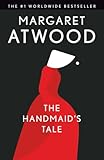
Margaret Atwood’s dystopian republic of Gilead spans two novels published thirty-four years apart, and readers new to it always ask where to begin: The Handmaid’s Tale (1985) or its Booker-winning sequel The Testaments (2019). Both are set in the same nightmarish theocracy that strips women of their rights, but they differ sharply in tone, structure, and purpose. Here is how to choose between them.
A Quick Side-by-Side
| The Handmaid’s Tale | The Testaments | |
|---|---|---|
| Published | 1985 | 2019 |
| Narrator | Offred, a single Handmaid | Three narrators, including Aunt Lydia |
| Tone | Claustrophobic, ambiguous | Propulsive, more hopeful |
| Focus | Life inside Gilead’s oppression | The cracks that bring Gilead down |
| Strength | Literary dread and influence | Plot, momentum, resolution |
| Read first? | Yes — required | Second |
The Story of The Handmaid’s Tale
The Handmaid’s Tale is narrated by Offred, a “Handmaid” in the theocratic Republic of Gilead, where a collapsing birth rate has led to the brutal subjugation of women, who are stripped of names, property, and autonomy and valued only for their fertility. Through Offred’s claustrophobic, fragmented account, Atwood builds a chilling, ambiguous vision of how quickly rights can be taken away. Spare, literary, and unforgettable, it became the defining feminist dystopia and ends on one of fiction’s most famous open questions.
The Testaments: The Premise
The Testaments returns to Gilead more than fifteen years later, told through three narrators — including the formidable Aunt Lydia, one of the regime’s architects — as the cracks in the theocracy begin to spread. Where the first book trapped us inside one woman’s limited view, the sequel pulls back to show the machinery of Gilead and the resistance working to topple it. Faster, more plot-driven, and more hopeful, it won the Booker Prize and answers many of the questions the original deliberately left open.
Where They Part Ways
One key difference is scope and perspective. The Handmaid’s Tale is intensely claustrophobic — one woman, one limited view, no escape. The Testaments is expansive, with multiple narrators and a wider view of how Gilead works and fails. One immerses you in oppression; the other shows the bigger picture.
Another is tone. The Handmaid’s Tale is bleak and ambiguous, refusing easy comfort. The Testaments is more propulsive and ultimately hopeful, structured like a thriller building toward resistance and resolution. The sequel offers catharsis the original withholds.
A third is literary versus narrative. The Handmaid’s Tale is the more artful and ambiguous, prized for its prose and its unsettling restraint. The Testaments prioritises story and answers, making it more accessible but less haunting. Each optimises for something different.
Your Starting Point
Read The Handmaid’s Tale first — this is essential. The Testaments is a direct sequel that assumes familiarity with Gilead, its rules, and the first book’s famous ending, which it directly addresses. Reading the original first gives you the dread, the ambiguity, and the emotional foundation that make the sequel land.
Once you have finished, read The Testaments if you want resolution and a faster, more hopeful continuation. Some readers prefer to leave Offred’s story on its haunting note of ambiguity; others crave the answers and momentum the sequel provides. Both choices are valid.
A Note on the Television Adaptation
Part of why this question comes up so often is the acclaimed Hulu series, which expanded The Handmaid’s Tale across many seasons and bridged some of the gap to The Testaments. If the show was your entry point, be aware that the novels and the series diverge significantly after the first book, so the events leading into The Testaments differ on the page. Reading the two novels gives you Atwood’s own version of the story, which is the definitive one — and a tighter, more focused experience than the long-running adaptation.
Where to Go Next
Once you have read both, our best dystopian novels roundup gathers the genre’s other classics, from 1984 to Brave New World, and our best classic novels about women guide points to more landmark fiction in the tradition Atwood helped define.
The quick answer: read The Handmaid’s Tale first — it is required — then The Testaments for the propulsive, hopeful sequel, and together they give you Atwood’s complete and chilling vision of Gilead — a warning and its long-delayed answer, written more than three decades apart.
Frequently Asked Questions
Should I read The Handmaid's Tale or The Testaments first?
Read The Handmaid's Tale first. The Testaments is a direct sequel set more than fifteen years later, and it assumes you know the world of Gilead established in the first book. Reading The Handmaid's Tale first gives you the context, the dread, and the famous ambiguous ending that The Testaments answers.
Which is better, The Handmaid's Tale or The Testaments?
The Handmaid's Tale is the more acclaimed and literary — a chilling, ambiguous classic that defined the feminist dystopia. The Testaments, which won the Booker Prize, is more plot-driven, faster, and more hopeful, resolving questions the original left open. Most critics rate The Handmaid's Tale higher, but many readers find The Testaments the more satisfying page-turner.
Do I need to read The Handmaid's Tale before The Testaments?
Yes. The Testaments continues the story of Gilead and rewards knowledge of the first book's characters, world, and unresolved ending. While it can technically be read alone, you will miss most of its emotional and thematic weight without The Handmaid's Tale first.

