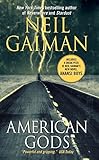
Editors Reads Verdict
Gaiman's most ambitious novel is a love letter to America's mythological landscape and a profound meditation on what gods actually are and what they need from us.
What We Loved
- The concept — gods brought to America by immigrants, sustained by belief — is one of fantasy's most original premises
- Gaiman's research into American mythology and folklore is evident and fascinating
- Shadow is one of contemporary fantasy's most thoughtful protagonists
- Won the Hugo, Nebula, and Bram Stoker Awards
Minor Drawbacks
- The plot structure is loose — the road trip episodic quality may frustrate readers wanting tight plotting
- The new gods (Media, Technical Boy) are less developed than the old gods
- The climax has divided readers
Key Takeaways
- → Gods exist because humans need them and believe in them — they are sustained by devotion and sacrifice
- → America is not a land that loves its gods — they come here and slowly fade
- → New gods arise wherever attention is consistently directed — media, technology, and money are the modern deities
- → The past is not dead — it is embodied in the people and stories that carry it
- → America is a country that kills its stories — it is too young and too fast to let them accumulate
| Author | Neil Gaiman |
|---|---|
| Publisher | HarperTorch |
| Pages | 635 |
| Published | June 19, 2001 |
| Language | English |
| Genre | Fantasy, Literary Fiction, Mythology |
| Difficulty | Intermediate |
| Best For | Fantasy readers with an interest in mythology, American culture, and literary science fiction who don't require conventional plot structure. |
How American Gods Compares
American Gods at a glance against 3 similar books readers weigh alongside it.
| Book | Author | Rating | Best for |
|---|---|---|---|
| American Gods (this book) | Neil Gaiman | ★ 4.5 | Fantasy readers with an interest in mythology, American culture, and literary |
| A Wizard of Earthsea | Ursula K. Le Guin | ★ 4.5 | Fantasy readers of all ages who want the most concentrated and psychologically |
| Good Omens | Terry Pratchett & Neil Gaiman | ★ 4.6 | Fans of Pratchett, Gaiman, or British comedy who want a genuinely funny fantasy |
| The Night Circus | Erin Morgenstern | ★ 4.4 | Fantasy readers who prioritise immersive atmosphere and beautiful prose over |
What Gods Actually Are
Neil Gaiman’s central premise in American Gods is profound and simple: when immigrants came to America, they brought their gods with them — Odin, Anansi, Czernobog, Bilquis, and hundreds of others. Those gods exist in America now: diminished, forgotten, working human jobs, sustained by the dwindling remnants of belief and sacrifice. And they are facing a war with the new gods — Media, the Technical Boy, the Internet — that have arisen wherever human attention now flows.
Gods, in Gaiman’s cosmology, are not pre-existing beings who chose to be worshipped. They are created by and sustained through human belief and sacrifice. The same mechanism that brought Odin to America from Scandinavia is the mechanism that is currently creating new gods out of our new compulsions.
Shadow Moon
The protagonist, Shadow, is introduced leaving prison after three years — only to discover on the way home that his wife has died in a car accident while sleeping with his best friend. He is recruited by the mysterious Mr. Wednesday (who is Odin, though this is not a spoiler — Gaiman makes it fairly clear) to work as a bodyguard while Wednesday travels America collecting old allies for the coming war.
Shadow is an unusual fantasy protagonist: passive, observant, processing his grief and confusion in silence. He is less an agent of events than a witness to them, which suits the novel’s road trip structure.
The Mythological Landscape of America
The novel’s richest pleasure is its treatment of American mythology. Gaiman has done extraordinary research into the immigrant myths, folk practices, and surviving deities that were brought to America across centuries of migration. The “coming to America” interludes — vignettes of gods arriving with their worshippers — are some of the most original writing in the book.
The portrait of America itself is loving and acidic in equal measure: a country too young and too restless to let mythology accumulate, a place that “kills its stories” before they can deepen.
The Road Trip as Myth
The novel’s structure follows a road trip across a specific, unglamorous America: motels in Wisconsin, roadside attractions in South Dakota, small towns in Ohio where nothing ever happens and the old gods scrape by in human disguise. Gaiman’s America is not the America of coasts and cities but the interior, the overlooked, the places where the land still holds what was brought to it by the people who crossed it. The research behind the novel is extraordinary — Gaiman spent years collecting American folklore, roadside attraction history, and immigrant mythology — and it shows in the texture of every place Shadow passes through.
The “Coming to America” interludes — standalone vignettes describing how specific gods arrived on the continent with their worshippers — are among the finest writing in the book and the clearest illustration of Gaiman’s central argument. Anansi arrives on a slave ship. A goddess of the new world is taken in a longboat by Vikings. Each story shows a different form of the same mechanism: belief travels with people, and wherever people settle, what they believe begins to exist.
The Awards and the Television Adaptation
American Gods won the Hugo Award, the Nebula Award, the Bram Stoker Award, and the Locus Award for Best Novel — the only novel to have won all four in the same year. It was one of the most decorated fantasy novels of the decade.
A television adaptation premiered on Amazon Prime Video in 2017, with Ricky Whittle as Shadow and Ian McShane as Mr. Wednesday. The series ran for three seasons before being cancelled in 2021. The adaptation expanded several storylines, particularly those of the minor gods, and was praised for its visual ambition even as its structural departures from the novel divided viewers.
The Tenth Anniversary Edition
Gaiman revised American Gods for a tenth anniversary edition in 2011, restoring approximately 12,000 words that had been cut from the original publication at the publisher’s request. This “author’s preferred text” is considered the definitive version and is the edition recommended for new readers. The restored passages deepen several characters and extend the road trip sequences, and the difference between the two versions is substantial enough that readers who encountered the original edition will find genuine new material in the preferred text.
Why It Endures
American Gods endures because its central insight — that gods are made by human need and destroyed by human inattention — is not a plot device but a philosophical argument with real application to how culture works. The novel anticipated the language of “new media gods” before that language became common, and its portrait of an America that worships technology, money, and celebrity with the same unexamined devotion that earlier Americans gave to older deities is more readable now than when it was written.
Final Verdict
American Gods is Gaiman’s most ambitious novel — sprawling, profound, and occasionally meandering. Its central idea is one of the most original in fantasy literature, and the research and imagination behind it are extraordinary.
Our rating: 4.5/5 — A major fantasy novel with an original premise and extraordinary mythological research. Embrace the road trip pacing.
Reading Guides
- Books Like American Gods: 11 Dark, Mythological Fantasies With Big Ideas
- Books Like Good Omens: 11 Novels of Divine Comedy, Unlikely Friendship, and Cosmic Chaos
- Books Like Piranesi: Labyrinthine Worlds, Mystery, and the Strangeness of Reality
- Books Like The Hitchhiker
- Best Fantasy Books of All Time — The Definitive Reading List
Frequently Asked Questions
What is "American Gods" about?
Neil Gaiman's mythological fantasy follows ex-convict Shadow through a road trip across America with the god Odin, as old gods prepare for war against new gods born of technology and media.
Who should read "American Gods"?
Fantasy readers with an interest in mythology, American culture, and literary science fiction who don't require conventional plot structure.
What are the key takeaways from "American Gods"?
Gods exist because humans need them and believe in them — they are sustained by devotion and sacrifice America is not a land that loves its gods — they come here and slowly fade New gods arise wherever attention is consistently directed — media, technology, and money are the modern deities The past is not dead — it is embodied in the people and stories that carry it America is a country that kills its stories — it is too young and too fast to let them accumulate
Is "American Gods" worth reading?
Gaiman's most ambitious novel is a love letter to America's mythological landscape and a profound meditation on what gods actually are and what they need from us.
Ready to Read American Gods?
Check the current price on Amazon.
Check Price on Amazon (paid link)Prices and availability are subject to change. See Amazon for current price.
Review last updated: