Neil Gaiman is a British author of fantasy, mythology, and children's fiction whose works — including American Gods, Coraline, and Norse Mythology — have made him one of the most beloved storytellers of his generation.
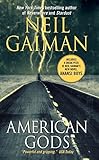
Neil Gaiman began his career in comics — most notably the Sandman series — before transitioning to novels and becoming one of the most versatile and celebrated fantasy writers working today. His fiction ranges from the darkly mythological to the tender and intimate, but consistently shares a preoccupation with gods, stories, and the relationship between the two. American Gods (2001) follows an ex-convict drawn into a war between the old gods immigrants brought to America and the new gods of technology and media — a sprawling, atmospheric novel whose world-building and character work have made it a modern classic of the genre.
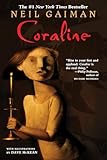
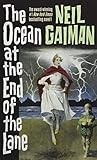
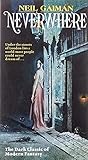
The Ocean at the End of the Lane (2013) is a shorter, more personal book: a middle-aged man revisits his childhood home and remembers a summer of impossible, terrifying events. It is quieter and more emotionally precise than American Gods, a meditation on memory, powerlessness, and the way childhood horror reshapes adults. Coraline (2002), marketed as a children’s book, is a properly frightening tale of a girl who finds a mirror world where a loving but wrong version of her mother wants to keep her forever. Neverwhere (2005) takes the London Underground and reimagines it as a supernatural underworld. Norse Mythology (2017) retells the Norse pantheon’s stories in Gaiman’s own clean, pleasurable prose.
Gaiman is a remarkably consistent craftsman — his stories always move, always carry emotional weight, and always feel inhabited. The only real criticism is that his novels occasionally feel lighter than their premises suggest, resolving with a tidiness that leaves some readers wanting more sustained darkness. But for sheer storytelling pleasure, he is nearly without peer in contemporary fantasy.
A Master of Modern Myth
Neil Gaiman is widely regarded as one of the most celebrated and versatile storytellers of his generation, an author who has achieved acclaim across an extraordinary range of forms — novels, comics, short stories, children’s books, screenplays, and more. Renowned for his rich imagination, his gift for blending myth, fairy tale, and the fantastical with the modern world, Gaiman has built an enormous and devoted readership and become one of the defining figures in contemporary fantasy. His work draws on ancient mythologies, folklore, and the traditions of storytelling itself, reinventing them with a distinctive voice that is at once dark, whimsical, and profoundly humane.
The Sandman
Gaiman first rose to prominence with The Sandman, the landmark comic series that revolutionised the medium and demonstrated that comics could achieve genuine literary depth and ambition. Following Dream of the Endless, one of seven anthropomorphic beings who embody fundamental forces of existence, the series wove together mythology, history, and original storytelling into a sprawling, sophisticated narrative that won critical acclaim and a vast readership. The Sandman established Gaiman’s reputation and remains one of the most influential works in the history of comics, a touchstone for the medium’s artistic maturity.
A Versatile Storyteller
Few authors move as fluidly between forms and audiences as Gaiman. He has written acclaimed novels for adults, beloved books for children, comics, poetry, and work for film, television, and radio, and he brings the same imaginative richness to each. His children’s books, including Coraline and The Graveyard Book, are modern classics that do not condescend to their young readers, while his adult novels range from contemporary fantasy to mythological reinvention. This versatility, and his refusal to be confined to a single genre or audience, is central to his singular career.
Mythology Reimagined
A defining feature of Gaiman’s work is his deep engagement with myth and folklore. In novels such as American Gods, he brings the old gods of many cultures into the modern world, exploring belief, immigration, and the American landscape, while Norse Mythology retells the ancient tales with freshness and verve. Gaiman understands stories as living, evolving things, and his reimaginings of myth and fairy tale reveal both their enduring power and their continuing relevance. This sense of the mythic underlying the everyday gives his fiction its distinctive resonance and depth.
Dark Whimsy
Gaiman’s voice is unmistakable: a blend of the dark and the whimsical, the eerie and the tender, the playful and the profound. His stories often inhabit the borderlands between the ordinary world and something stranger and more dangerous, and he has a gift for finding wonder in the shadows and unease beneath the familiar. This tonal balance — never wholly bleak, never merely cute — allows his work to appeal to readers across ages and sensibilities, and it is the hallmark of his particular magic as a storyteller.
A Cultural Presence
Beyond his books, Gaiman has become a significant cultural figure, his work widely adapted for screen in acclaimed productions including Good Omens, American Gods, Coraline, and The Sandman. He has been an influential voice on creativity, libraries, and the importance of stories, and his commencement address on making good art has been widely shared and cherished. His extensive engagement with his readers and his advocacy for the value of imagination have made him a beloved presence well beyond the page.
Neil Gaiman’s Enduring Appeal
Neil Gaiman’s influence on fantasy, comics, and contemporary storytelling is immense, and his ability to enchant readers of all ages has earned him a place among the most cherished authors of his time. For newcomers, Stardust or Neverwhere offer accessible entry points into his adult fiction, The Graveyard Book and Coraline are perfect for younger readers and the young at heart, and American Gods showcases his mythological ambition. For readers seeking imaginative, mythically resonant storytelling shot through with darkness and wonder, Neil Gaiman is an essential and irreplaceable voice.
Reading Guides