Best Books About Civil Rights and Activism: Essential Reading
The best books about civil rights and activism — from The Autobiography of Malcolm X and Long Walk to Freedom to Between the World and Me and The New Jim Crow.
By Aisha Patel

The literature of civil rights and activism constitutes one of the most important bodies of nonfiction in American and world history. From the accounts of individual lives transformed by political commitment (Malcolm X, Mandela) to the structural analyses of systems of oppression (Michelle Alexander, Ta-Nehisi Coates), these books make visible the mechanisms of injustice and the sustained human effort required to resist them.
The books listed here are unified by their engagement with the question of how power operates — and how those without power resist it, survive it, and sometimes transform it.
The Essential List
The Autobiography of Malcolm X — Malcolm X with Alex Haley (1965)
The most important African American autobiography of the twentieth century. Malcolm X’s account of his own transformation — from the son of a murdered activist, to a street criminal, to a Nation of Islam minister, to an independent civil rights leader with a transformed understanding of race — is a study in political and intellectual development that has few parallels in American writing. The final chapters, in which Malcolm describes his pilgrimage to Mecca and his growing disagreement with Elijah Muhammad, are among the most important pages in American political autobiography. He was assassinated before the book was published.
Long Walk to Freedom — Nelson Mandela (1994)
The definitive political autobiography of the twentieth century’s most important political prisoner. Mandela’s account of his childhood in the Transkei, his political education, his role in the ANC and the formation of its armed wing, his 27 years of imprisonment, and his negotiations with the apartheid government is simultaneously a personal memoir, a history of South African resistance, and a study of how a political movement transforms its strategy while maintaining its principles. The portrait of Mandela’s moral development in prison — from bitterness toward reconciliation — is one of the most extraordinary in political writing.
Between the World and Me — Ta-Nehisi Coates (2015)
The most powerful recent statement on race in America. Written as a letter to his son after the non-indictment of Darren Wilson, Coates’s account of the vulnerability of the Black body — its subjection to police violence, its historical commodification in slavery — is at once personal and structural. Coates draws on Baldwin, on his own experience in Baltimore and at Howard University, and on the historical record to make an argument that American racial violence is not an aberration but a feature. Essential reading.
The New Jim Crow — Michelle Alexander (2010)
The most influential work of social justice analysis of the past fifteen years. Alexander’s argument — that mass incarceration functions as a new system of racial caste, replacing the Jim Crow laws through the racially discriminatory enforcement of drug laws and the permanent civil disabilities attached to felony convictions — has shaped the political discourse around criminal justice reform and the movement for prison abolition. The book is rigorously researched and clearly argued; it changed how the American left understood the criminal justice system.
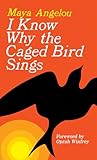
I Know Why the Caged Bird Sings — Maya Angelou (1969)
The first volume of Angelou’s autobiographical series follows her childhood in Stamps, Arkansas (raised by her grandmother), her years in San Francisco, and the sexual assault she experienced at age eight and its aftermath. The book is a study in survival and the specific resources — family, community, literature, the church — that enable a Black girl to survive a racist and patriarchal society. Angelou’s prose is lyrical and precise; the book established the template for Black women’s autobiography.
The Warmth of Other Suns — Isabel Wilkerson (2010)
Wilkerson’s account of the Great Migration — the movement of six million Black Americans from the South to the North between 1915 and 1970 — uses three individual stories to illuminate the largest internal migration in American history. The book is activism in the form of history: by recovering the stories of people who have been inadequately documented, Wilkerson argues for the dignity and significance of the migration and its participants. The most important American history book of the past two decades.
The Autobiography of Malcolm X and Long Walk to Freedom
Together, these two autobiographies constitute the essential paired reading in twentieth-century political autobiography — both written by men who were radicalised by their political circumstances, imprisoned by the states that opposed them, and transformed by their experiences into leaders with a vision of justice that exceeded the terms of their initial political commitments.
Bearing Witness to Injustice
A primary and essential function of the literature of civil rights and activism is to bear witness to injustice — to document, expose, and make undeniable the realities of oppression and inequality that the comfortable and the powerful would prefer to ignore — and the books on this list perform this vital function, compelling the reader to confront injustices that might otherwise remain hidden, denied, or forgotten. The literature of civil rights and activism bears witness to the realities of oppression, documenting the experiences of those who have suffered injustice and inequality, exposing the systems and structures that perpetuate them, and making these realities undeniable and impossible to ignore. This bearing witness serves a function of the greatest importance, for injustice flourishes in silence and concealment, sustained by the ignorance, denial, and indifference of those not directly affected, and the literature that documents and exposes injustice counters this silence, forcing the realities of oppression into the open and compelling the reader to confront them. By bearing witness to injustice, the literature performs essential work: it gives voice to the experiences of the oppressed, ensuring that their suffering is documented and acknowledged rather than ignored and forgotten; it exposes the systems and structures of inequality, making visible the injustices that the powerful would prefer to conceal; and it compels the reader to confront realities they might otherwise avoid, awakening the moral awareness on which the struggle for justice depends. This function of bearing witness is foundational to the literature of civil rights and activism, for the struggle for justice begins with the recognition of injustice, and the literature that documents and exposes the realities of oppression performs the essential first work of making injustice undeniable and compelling the awareness and the conscience that the pursuit of justice requires. In bearing witness to injustice, this literature ensures that the realities of oppression are documented, exposed, and confronted rather than ignored, denied, or forgotten, and lays the foundation for the moral awakening and the struggle for justice that the recognition of injustice demands.
The Literature of Struggle and Hope
The literature of civil rights and activism is not merely a literature of injustice and suffering but a literature of struggle and hope — a record of the courageous efforts of those who have fought against oppression, and a testament to the possibility of change, the power of collective action, and the hope that sustains the long struggle for justice. While bearing witness to injustice, this literature also documents the struggle against it, recording the courage, sacrifice, and determination of those who have fought for justice, the movements and actions through which oppression has been resisted and challenged, and the victories, however partial and hard-won, that the struggle for justice has achieved. This dimension of struggle and hope is essential to the literature, for it transforms the record of injustice into a testament to resistance, demonstrating that oppression can be challenged and changed, that collective action has power, and that the struggle for justice, however long and difficult, can achieve real progress. The literature of struggle and hope serves vital functions: it honors and preserves the memory of those who have fought for justice, recording their courage and sacrifice and ensuring that their struggle is remembered; it demonstrates the power of collective action and the possibility of change, countering the despair and resignation that injustice can breed; and it offers hope and inspiration to those who continue the struggle, providing the examples, the lessons, and the encouragement that sustain the long effort for justice. This testament to struggle and hope is among the most valuable contributions of the literature, for it reveals that the history of injustice is also a history of resistance, that oppression has been and can be challenged and changed, and that the struggle for justice, sustained by courage, collective action, and hope, can achieve real and lasting progress. In documenting the struggle against injustice and testifying to the possibility of change, the literature of civil rights and activism offers not merely the record of suffering but the inspiration of resistance, honoring those who have fought for justice and sustaining the hope and determination on which the continuing struggle depends.
From Reading to Action
The ultimate purpose of the literature of civil rights and activism extends beyond understanding to action — for this is a literature that aims not merely to inform but to move, to awaken the conscience, to inspire commitment, and to motivate the reader toward engagement in the ongoing struggle for justice. Unlike literature that aims primarily at understanding or aesthetic experience, the literature of civil rights and activism is fundamentally oriented toward change, seeking not merely to inform the reader about injustice but to move them to do something about it, to awaken their conscience and inspire their commitment to the struggle for justice. This orientation toward action gives the literature its distinctive character and purpose, for it is written not for detached contemplation but for engaged response, aiming to transform the reader from a passive observer into an active participant in the struggle for justice. The literature seeks to move the reader toward action in several ways: by awakening the moral conscience through the bearing of witness to injustice, creating the moral awareness and indignation that motivate engagement; by demonstrating the possibility of change and the power of collective action, countering the despair and resignation that breed passivity; and by inspiring commitment through the examples of those who have struggled and the vision of the justice that struggle can achieve. This movement from reading to action is the ultimate aim of the literature, which seeks not merely to be understood but to be acted upon, not merely to inform but to inspire engagement in the ongoing struggle for justice. The reader of this literature is called not merely to understand injustice but to confront it, not merely to contemplate the struggle for justice but to join it, and the literature’s deepest purpose is fulfilled not in the reader’s understanding alone but in the engagement and action that understanding inspires. In aiming to move the reader from reading to action, from understanding to engagement, the literature of civil rights and activism reveals its fundamental purpose: not the detached contemplation of injustice but the active struggle against it, and the transformation of the reader into a participant in the ongoing pursuit of justice.
Why These Books
The literature of civil rights and activism demonstrates that political change is not produced by abstract forces but by specific people who decided, at specific moments, to act differently. The books listed here are accounts of that decision — its costs, its consequences, and its possibilities. They are also studies in the mechanisms of oppression: how racial hierarchies are constructed and maintained, how they adapt to survive legal challenges, and what it takes to dismantle them. Essential reading for anyone who wants to understand the history and present of racial justice in America and beyond.
Frequently Asked Questions
What is the best book about civil rights to start with?
The Autobiography of Malcolm X (1965) is the best starting point — the account of Malcolm Little's transformation from street criminal to Nation of Islam minister to independent civil rights leader, told with extraordinary directness and intellectual force. Between the World and Me (2015) by Ta-Nehisi Coates, written as a letter to his teenage son about the realities of being Black in America, is the essential recent starting point. Long Walk to Freedom (1994) by Nelson Mandela is the best account of a sustained political struggle from inside it.
What is The Autobiography of Malcolm X about?
The Autobiography of Malcolm X (1965), as told to Alex Haley, traces Malcolm Little's life from his childhood in Omaha (where his father was killed, almost certainly by white supremacists) through his years as a street criminal in Boston and Harlem, his conversion to the Nation of Islam in prison, his transformation into Malcolm X and rise as the Nation's most powerful spokesman, his break with Elijah Muhammad after discovering Muhammad's sexual transgressions, his pilgrimage to Mecca (which transformed his understanding of race), and his founding of the Organisation of Afro-American Unity. He was assassinated before the book was published.
What is Between the World and Me about?
Between the World and Me (2015) by Ta-Nehisi Coates is a letter to his teenage son — addressed as 'Samori' — about the realities of being Black in America: the vulnerability of the Black body to police violence and white supremacist terror, the history of that vulnerability in slavery and its aftermath, and the question of what a father should tell his son about a country that does not fully recognise his humanity. Written after the non-indictment of Darren Wilson for the killing of Michael Brown, the book is the most powerful recent statement of the costs of American racism.
What is The New Jim Crow about?
The New Jim Crow (2010) by Michelle Alexander argues that mass incarceration — specifically, the War on Drugs and its racially discriminatory enforcement — has created a new system of racial caste in America that functions in many of the same ways as the Jim Crow laws it nominally replaced. Alexander traces the history of drug policy, the statistics of racially disparate enforcement, and the consequences of felony convictions (loss of voting rights, housing discrimination, employment discrimination) to argue that mass incarceration is not a consequence of crime rates but a deliberate political choice. One of the most influential works of social justice analysis of the past two decades.