Books Like All Quiet on the Western Front: 6 War Reads
Want more unflinching truth about war, its horror, and what it does to ordinary soldiers after All Quiet on the Western Front? These six novels deliver — with where to start.
All Quiet on the Western Front changed war literature by refusing to lie. Erich Maria Remarque put you in the trenches alongside ordinary young men and showed the horror, the boredom, the comradeship, and the way war hollows out a generation — with no glory, no heroics, just truth. So the novels that satisfy its readers share that honesty: the soldier’s-eye view, the focus on the men rather than the maps, and a hard refusal to pretend war means what the recruiting posters claim.
Here are six novels that deliver, each with what it does best. If Remarque’s masterpiece stayed with you, this is where to go next.
The Things They Carried — Tim O’Brien (the closest in spirit)
Tim O’Brien’s The Things They Carried is the Vietnam-era heir to Remarque — a linked set of stories about a platoon that captures the weight (literal and emotional) soldiers carry, and the impossibility of ever fully telling the truth about war. It is unflinching, intimate, and devastating in exactly the way All Quiet is. The essential next read.
Best for: the same ground-level honesty, a war later.
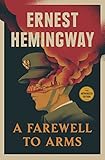
A Farewell to Arms — Ernest Hemingway (the other side of WWI)
Ernest Hemingway’s A Farewell to Arms offers a First World War counterpart from the Italian front, following an American ambulance driver through disillusionment and a doomed love. Hemingway’s spare, unsentimental prose strips war of romance much as Remarque does, and the result is just as quietly shattering.
Best for: another WWI perspective in unsentimental prose.
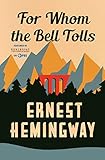
For Whom the Bell Tolls — Ernest Hemingway (war and conviction)
A second Hemingway, because he returned to this subject with even more force. For Whom the Bell Tolls follows an American volunteer in the Spanish Civil War across a few fateful days, weighing duty, sacrifice, and the cost of belief. It’s broader than All Quiet but shares its hard look at what war asks of ordinary people.
Best for: war, conviction, and sacrifice on a human scale.
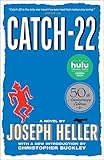
Catch-22 — Joseph Heller (the savage satire)
Joseph Heller’s Catch-22 attacks the same target from the opposite direction — through absurdist satire. Its bomber crew is trapped in a bureaucratic nightmare where the only escape from deadly missions is to be insane, but asking to be grounded proves you’re sane. It’s hilarious until it’s horrifying, and it captures the madness of war as sharply as Remarque captures its grief.
Best for: the absurdity and madness of war, savagely funny.
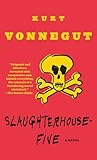
Slaughterhouse-Five — Kurt Vonnegut (war and its aftermath)
Kurt Vonnegut’s Slaughterhouse-Five filters the firebombing of Dresden through a fractured, time-skipping narrative, capturing trauma in a way straightforward realism can’t. It’s stranger than All Quiet, but its anti-war conviction and its grief for the ordinary men ground up by history are the same.
Best for: war trauma rendered through dark, inventive satire.
The Naked and the Dead — Norman Mailer (the WWII epic)
Norman Mailer’s The Naked and the Dead brings the unflinching treatment to the Second World War, following an infantry platoon in the Pacific with the same focus on ordinary soldiers and the brutal realities they endure. It’s longer and more panoramic than All Quiet, but the soldier’s-eye honesty is the through line.
Best for: the sprawling, realistic WWII infantry epic.
How to choose your next read
Pick by what struck you most. The closest heir? The Things They Carried. Another WWI view? A Farewell to Arms. War and conviction? For Whom the Bell Tolls. The savage satire? Catch-22. Trauma and aftermath? Slaughterhouse-Five. The WWII epic? The Naked and the Dead.
For more, browse our classics and literary fiction collections, and start with whichever angle on war speaks to you most.
Frequently Asked Questions
What should I read after All Quiet on the Western Front?
Tim O'Brien's The Things They Carried is the natural next read — the Vietnam-era counterpart, equally unflinching about combat and its psychological cost. Hemingway's A Farewell to Arms and Joseph Heller's Catch-22 round out the essential war-novel canon, from tragic realism to savage satire.
What book is most like All Quiet on the Western Front?
The Things They Carried by Tim O'Brien is the closest in spirit — an honest, devastating, ground-level account of soldiers and what war does to them, decades and a continent removed but emotionally identical. For another First World War perspective, Hemingway's A Farewell to Arms is essential.
What makes a book similar to All Quiet on the Western Front?
Three things: an unflinching, ground-level view of combat; a focus on ordinary soldiers rather than generals or strategy; and a deep skepticism about the glory and meaning of war. The books here each capture at least two.