Books Like Meditations: 9 Essential Stoic Reads
If Marcus Aurelius's private notebook on virtue, mortality, and self-control spoke to you, these Stoic and philosophical classics hit the same nerve.

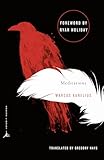
Marcus Aurelius’s Meditations is widely regarded as one of the most beloved works of philosophy ever written — and one of the strangest, because its author never meant anyone to read it. It is the private notebook of a Roman emperor, written to himself as a series of reminders on how to live with virtue, patience, and acceptance in the face of power, betrayal, and mortality. That intimacy is the source of its enduring appeal: it reads not as a treatise but as the voice of a wise, struggling human being trying to be good.
The books below share Meditations’ practical wisdom and its concern with the examined life — how to control what we can, accept what we cannot, find meaning in adversity, and master ourselves. Some are the other foundational Stoic texts; others are modern works that carry the same spirit into contemporary life.
The Foundational Stoic Texts
#1 — Letters from a Stoic by Seneca
The essential next read. Seneca’s letters to a young friend are warmer, wittier, and more practical than Meditations, offering concrete guidance on everything from grief and wealth to friendship and the fear of death. Together with Marcus Aurelius, Seneca forms the heart of Stoic philosophy, and his conversational style makes the ideas immediately usable.
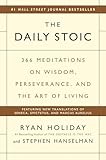
#2 — The Daily Stoic by Ryan Holiday
For a structured way to live with Stoic ideas, Holiday’s daily reader pairs a short passage from Marcus Aurelius, Seneca, or Epictetus with a brief, practical meditation for each day of the year. It is the ideal companion to Meditations — a way to absorb the philosophy gradually and apply it to ordinary life.
#3 — The Consolations of Philosophy by Alain de Botton
De Botton pairs great philosophers, including Seneca and the Stoics, with the ordinary troubles they can help us face — frustration, inadequacy, heartbreak, lack of money. Accessible and humane, it extends the Meditations project of philosophy as a practical guide to living well, and makes a gentle, intelligent companion for readers new to the tradition.
Modern Stoicism for Life and Work
#4 — The Obstacle Is the Way by Ryan Holiday
Holiday’s breakout book takes the central Stoic insight — that adversity can be turned to advantage — and applies it to challenges in work and life, illustrated with vivid historical examples. It is the most popular modern gateway to Stoic thinking, and a natural next step for readers who want to put the wisdom of Meditations into action.
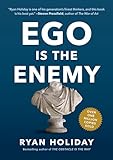
#5 — Ego Is the Enemy by Ryan Holiday
A companion to The Obstacle Is the Way, this book draws on Stoic and historical wisdom to examine how ego sabotages our ambitions and relationships. Its themes — humility, self-mastery, keeping perspective — are precisely those Marcus Aurelius wrestled with in his notebook, making it a resonant modern echo of Meditations.
#6 — Stillness Is the Key by Ryan Holiday
Drawing on Stoicism alongside other wisdom traditions, this book explores the cultivation of inner calm and clarity amid a chaotic world. Its concern with quieting the mind and mastering the self makes it a fitting companion for readers who found in Meditations a path toward equanimity.
Meaning, Adversity, and the Examined Life
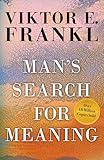
#7 — Man’s Search for Meaning by Viktor Frankl
Frankl’s account of surviving the concentration camps and his philosophy of finding meaning in suffering shares the deepest concern of Meditations: how to live, and endure, with dignity and purpose. Profound and unforgettable, it remains one of the most powerful complements to Stoic thought ever written.
#8 — The Untethered Soul by Michael Singer
For readers drawn to the inner-calm dimension of Meditations, Singer’s guide to freeing yourself from anxious, compulsive thought offers a modern, accessible path to the same equanimity the Stoics sought. It approaches the goal through a more spiritual lens, but the destination — a quiet, unshakable mind — is familiar.
#9 — The Art of War by Sun Tzu
Like Meditations, Sun Tzu’s ancient classic is a short, aphoristic work of practical wisdom that has long outlived its original context. Its emphasis on self-control, clear perception, and acting wisely within one’s circumstances makes it a compelling companion for readers who value the Stoics’ calm, strategic approach to life’s challenges.
Where to Go Next
The Stoic tradition is deep, and readers who connect with it can spend years with Marcus Aurelius, Seneca, and Epictetus alone. For modern applications, Ryan Holiday’s growing body of work offers a lifetime of practical Stoicism, while Frankl and de Botton broaden the conversation into the wider question of how to live a meaningful, examined life. Whichever path you take, the destination is the one Marcus Aurelius pointed toward: a calmer, clearer, more deliberate way of meeting whatever each day brings.
Don’t Overlook These
Two further titles round out a Stoic reading list. Plato’s The Republic stands behind the whole tradition of the examined life, posing the foundational questions about justice, virtue, and how to live that the Stoics would later make so practical. And for more modern Stoicism applied to daily discipline, Discipline Is Destiny by Ryan Holiday explores self-control as the cornerstone virtue — exactly the quality Marcus Aurelius returns to again and again in his private notebook. Holiday’s Courage Is Calling belongs here too, examining the first of the Stoic virtues — courage — through the same blend of ancient wisdom and vivid historical example that makes his work such an accessible bridge from Marcus Aurelius to modern life.
Affiliate disclosure: Links to Amazon on this page are affiliate links. We earn a small commission at no extra cost to you.
Frequently Asked Questions
What should I read after Meditations?
The two natural companions are the other foundational Stoic texts: Seneca's Letters from a Stoic, which is warmer and more practical than Marcus Aurelius, and the teachings of Epictetus. For a modern entry point, Ryan Holiday's The Daily Stoic distills all three Stoics into a daily reader, and his The Obstacle Is the Way applies their ideas to contemporary life and work.
Do I need to read the Stoics in a particular order?
No. The three great Stoic texts — Marcus Aurelius's Meditations, Seneca's Letters, and Epictetus's teachings — can be read in any order and each stands alone. Many readers start with Meditations for its intimacy, then move to Seneca for practical guidance. Modern books like The Daily Stoic and The Obstacle Is the Way are excellent gateways for readers new to philosophy.
Why is Meditations still so popular today?
Meditations was never written for publication — it is the private notebook of a Roman emperor reminding himself how to live with virtue, patience, and equanimity. That intimacy, combined with timeless advice on controlling what you can and accepting what you cannot, makes it feel startlingly modern. It speaks directly to anyone seeking calm, resilience, and clarity in a chaotic world.