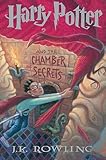
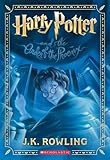
British author of the Harry Potter series, one of the best-selling fiction franchises in history, whose seven-book fantasy saga defined a generation of readers worldwide.
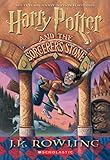
J.K. Rowling published Harry Potter and the Sorcerer’s Stone in 1997 after years of financial hardship and rejection, and the story of a boy who discovers he is a wizard has since become one of the defining cultural phenomena of the late twentieth and early twenty-first centuries. The novel is propulsive, clever, and warm — Rowling builds her magical world with a system-builder’s attention to rules and a children’s author’s instinct for what makes school and friendship feel urgent.
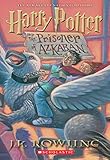
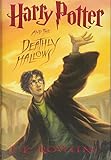
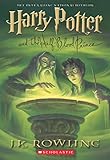
The Harry Potter series spans seven novels and grows considerably darker as it progresses. Harry Potter and the Prisoner of Azkaban is widely considered the series’ artistic turning point, introducing moral complexity and genuine consequence. The later books — Goblet of Fire, Order of the Phoenix, Half-Blood Prince, and Deathly Hallows — become more ambitious in scope and themes, dealing with fascism, sacrifice, institutional failure, and death. Rowling’s plotting across the series is remarkable; the foreshadowing laid in early books pays off in ways that reward re-reading.
The books are not without their limitations: the pacing of Order of the Phoenix is frequently criticized, and some secondary characters receive less development than they deserve. Rowling’s public statements in recent years on gender identity have been deeply controversial and have affected how many readers relate to her and her work. Readers will form their own views on how to hold the work and the author’s public positions at the same time. The novels themselves remain extraordinarily well-crafted and genuinely beloved.
Reading Guides