Books Like The Intelligent Investor: 9 Money Reads
If Benjamin Graham's classic on value investing and the discipline of the markets grounded you, these books on investing and wealth-building are the natural next steps.
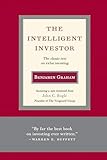
Benjamin Graham’s The Intelligent Investor is the most influential investing book ever written — the work Warren Buffett calls the best on the subject, and the foundation of value investing. Graham’s enduring insight is that successful investing is less about brilliance than about temperament: the discipline to distinguish investment from speculation, to demand a margin of safety, and to treat the market’s emotional swings (his famous “Mr. Market”) as opportunities rather than commands. It is a book about mastering yourself as much as the markets.
The books below carry forward Graham’s principles — the focus on discipline, long-term thinking, and the psychology of money — while bringing them up to date for modern investors. Some extend his value-investing philosophy; others make the contemporary case for low-cost index investing; all share his conviction that sound investing is a matter of patience and self-control.
The Psychology and Discipline of Investing
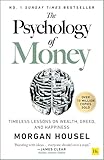
#1 — The Psychology of Money by Morgan Housel
The perfect modern companion to Graham. Housel argues, as Graham did, that doing well with money has little to do with intelligence and everything to do with behavior — patience, humility, and the management of your own emotions. Written in short, memorable essays, it is the most accessible and widely loved book on the mindset of investing, and the ideal next read after The Intelligent Investor.
#2 — The Essays of Warren Buffett by Warren Buffett
To see Graham’s principles applied by his greatest student, read Buffett’s own writing. Drawn from his legendary shareholder letters, these essays distill decades of value-investing wisdom in plain, witty language — on business, markets, management, and the discipline of temperament. For Intelligent Investor readers, it is the living continuation of Graham’s tradition.
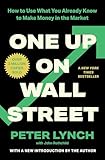
#3 — One Up on Wall Street by Peter Lynch
Lynch, one of the most successful fund managers in history, shares Graham’s faith in fundamentals and the individual investor’s ability to beat the professionals through patience and homework. Accessible and encouraging, his classic teaches readers to invest in what they understand — a practical, optimistic complement to Graham’s more cautious wisdom.
The Case for Index Investing
#4 — The Little Book of Common Sense Investing by John C. Bogle
The founder of Vanguard makes the definitive case for low-cost index funds — the strategy that follows logically from Graham’s skepticism about beating the market. Short, clear, and persuasive, it is essential reading for anyone deciding how to actually build a portfolio, and a natural pairing with Graham’s emphasis on discipline and humility.
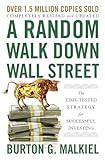
#5 — A Random Walk Down Wall Street by Burton Malkiel
Malkiel’s classic surveys the history of markets, bubbles, and investment strategies, ultimately arguing for a sensible, diversified, low-cost approach. Comprehensive and readable, it gives the Intelligent Investor reader the modern academic and practical case for how ordinary investors should behave.
#6 — The Four Pillars of Investing by William Bernstein
Bernstein builds a complete investing education on four pillars — theory, history, psychology, and the business of investing — that directly extend Graham’s concerns. Rigorous and evidence-based, it is one of the best single guides for the individual investor who wants to understand not just what to do but why.
Building Wealth and Sound Money Habits
#7 — The Bogleheads’ Guide to Investing by Taylor Larimore et al.
A practical, community-tested manual for building wealth through the low-cost, long-term principles Graham would have endorsed. Friendly and comprehensive, it translates investing wisdom into concrete steps, making it an excellent companion for readers who want to put Graham’s discipline into practice.
#8 — Common Stocks and Uncommon Profits by Philip Fisher
Fisher, alongside Graham, profoundly shaped Warren Buffett. Where Graham emphasized quantitative value, Fisher focused on the qualitative — finding excellent companies and holding them for the long term. Reading the two together gives a fuller picture of the philosophy behind modern value investing.
#9 — I Will Teach You to Be Rich by Ramit Sethi
For readers who want to build the financial foundation that makes long-term investing possible, Sethi’s practical, no-nonsense guide to automating savings, managing money, and investing simply is a modern, accessible complement to Graham’s loftier wisdom — the groundwork beneath the philosophy.
#10 — The Simple Path to Wealth by JL Collins
For readers who want Graham’s discipline translated into the simplest possible modern plan, Collins’s beloved guide makes a clear, friendly case for low-cost index investing, frugality, and long-term patience. Originally written as letters to his daughter, it strips wealth-building down to a handful of durable principles, and its emphasis on avoiding costly mistakes and staying the course is pure Graham, rendered for the everyday investor who simply wants a sound, low-stress path to financial independence.
Bonus Picks
Two more titles round out an investor’s shelf. For a cautionary look at what happens when discipline fails, When Genius Failed by Roger Lowenstein chronicles the collapse of a hedge fund run by Nobel laureates — a vivid illustration of the hubris Graham warned against. And Rich Dad Poor Dad by Robert Kiyosaki, while best read critically for its mindset rather than its specifics, has introduced millions to the basic idea of building assets and financial independence. Read together, these books form a complete investing education — Graham and Buffett for philosophy, Bogle and Malkiel for strategy, Housel and Bernstein for the psychology and discipline that ultimately determine results. The lesson they share is the one Graham taught first: that the investor’s chief problem, and even worst enemy, is likely to be themselves, and that patience and temperament beat brilliance over the long run.
Affiliate disclosure: Links to Amazon on this page are affiliate links. We earn a small commission at no extra cost to you.
Frequently Asked Questions
What should I read after The Intelligent Investor?
For most readers, the best next book is The Psychology of Money by Morgan Housel, which addresses the behavioral side of investing that Graham emphasized — the idea that temperament matters more than intelligence. For the practical mechanics of building a portfolio, A Random Walk Down Wall Street and John Bogle's The Little Book of Common Sense Investing make the modern case for low-cost index investing.
Is The Intelligent Investor still relevant today?
Yes. Although some specifics are dated, the book's core principles — investing with a margin of safety, distinguishing investment from speculation, mastering your own emotions, and treating Mr. Market's mood swings as opportunities rather than guides — are timeless. Warren Buffett, Graham's most famous student, still calls it the best book on investing ever written. Pair it with a modern guide for current mechanics.
Is The Intelligent Investor good for beginners?
It is a foundational text, but it is dense and demanding for absolute beginners. Many readers find it most valuable read alongside or after a more accessible introduction such as The Psychology of Money, A Random Walk Down Wall Street, or The Bogleheads' Guide to Investing. Graham's wisdom rewards the effort, but newcomers may want a gentler on-ramp first.