Books Like The Things They Carried: 11 War Novels
Books like The Things They Carried by Tim O'Brien — 11 great war novels from All Quiet on the Western Front to Slaughterhouse-Five, with where to start for each.
Tim O’Brien’s The Things They Carried is one of the defining works of American war literature — a collection of linked stories that blurs memoir and fiction to capture not just what soldiers carried into Vietnam, but the emotional weight they carried out. It is a book about memory, guilt, storytelling, and the impossibility of ever fully telling a war story. If it moved you and you want more literature that reckons with combat and its aftermath, the tradition O’Brien belongs to is one of the richest in fiction.
Here is a quick comparison, followed by where to start with each.
Books Like The Things They Carried at a Glance
| Book | Author | Why read it |
|---|---|---|
| Going After Cacciato | Tim O’Brien | O’Brien’s other great Vietnam novel |
| The Sympathizer | Viet Thanh Nguyen | The war from a Vietnamese viewpoint |
| All Quiet on the Western Front | Erich Maria Remarque | The definitive anti-war novel |
| A Farewell to Arms | Ernest Hemingway | Love and disillusion in WWI |
| For Whom the Bell Tolls | Ernest Hemingway | Courage and sacrifice in wartime Spain |
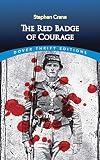
| The Red Badge of Courage | Stephen Crane | A young soldier’s first taste of battle |
| The Naked and the Dead | Norman Mailer | An epic of the Pacific campaign |
| Regeneration | Pat Barker | Shell shock and the psychology of war |
| Catch-22 | Joseph Heller | War’s absurdity, savagely satirised |
| Slaughterhouse-Five | Kurt Vonnegut | Trauma, time, and the firebombing of Dresden |
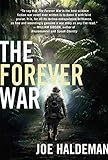
| The Forever War | Joe Haldeman | Vietnam reimagined as science fiction |
Tim O’Brien’s Own Vietnam
The closest companion to The Things They Carried is O’Brien himself.
Going After Cacciato by Tim O’Brien
O’Brien’s National Book Award winner follows a soldier who walks away from the war, heading on foot from Vietnam to Paris, in a narrative that drifts between reality and imagination. It plays the same games with memory and storytelling, and is essential reading for anyone moved by The Things They Carried.
The War From the Other Side
The Sympathizer by Viet Thanh Nguyen
A Pulitzer-winning novel narrated by a communist double agent, The Sympathizer tells the Vietnam War — and its aftermath — from a Vietnamese perspective, with dark wit and moral complexity. The perfect counterpoint to O’Brien’s American vantage.
Classic War Novels
These five form the literary tradition O’Brien writes within.
All Quiet on the Western Front by Erich Maria Remarque
The definitive anti-war novel, following German soldiers through the horror and disillusionment of WWI. Its humane, unflinching portrait of young men destroyed by war is the clearest ancestor of The Things They Carried.
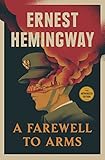
A Farewell to Arms by Ernest Hemingway
Hemingway’s spare, devastating WWI novel of love and disillusion. The clean, unsentimental prose and the sense of war stripping away illusions will resonate with O’Brien’s readers.
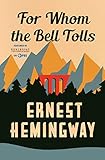
For Whom the Bell Tolls by Ernest Hemingway
Set during the Spanish Civil War, Hemingway’s epic of courage, love, and sacrifice asks what a single life is worth in wartime — the kind of moral weight O’Brien specialises in.
The Red Badge of Courage by Stephen Crane
The classic account of a young Civil War soldier confronting fear and his own courage under fire. Brief, intense, and psychologically acute, it is war literature’s foundational text.
The Naked and the Dead by Norman Mailer
Mailer’s sweeping novel of a Pacific island campaign in WWII captures the brutality, boredom, and hierarchy of combat on an epic canvas.
War’s Absurdity and Trauma
Finally, three novels that confront war through satire, science fiction, and the wounded mind.
Regeneration by Pat Barker
Set in a military hospital treating shell-shocked WWI officers, Barker’s masterpiece examines the psychological cost of war — the trauma O’Brien’s soldiers carry home.
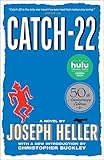
Catch-22 by Joseph Heller
Heller’s savage satire turns the absurdity and bureaucracy of war into black comedy. For readers who felt the surreal, illogical edge of O’Brien’s Vietnam, this is essential.
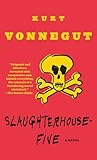
Slaughterhouse-Five by Kurt Vonnegut
Vonnegut’s time-shattered account of the Dresden firebombing blurs fact, fiction, and trauma exactly as O’Brien does. A short, unforgettable companion piece.
The Forever War by Joe Haldeman
Written by a Vietnam veteran, this science-fiction classic reimagines the alienation of the returning soldier across centuries of interstellar conflict — Vietnam in disguise.
Where to Start
For more O’Brien, read Going After Cacciato. For the definitive war novel, go to All Quiet on the Western Front. For war’s absurdity, read Catch-22 or Slaughterhouse-Five. And for the other side of Vietnam, read The Sympathizer. Any of these eleven will give you what O’Brien does best: the truth that the hardest things soldiers carry can never be set down.
If you are reading chronologically through the literature of war, these eleven map a rough arc — Crane’s Civil War, Remarque and Hemingway and Barker on the First World War, Mailer and Vonnegut on the Second, O’Brien and Nguyen on Vietnam, and Haldeman projecting it all into the future. Read in that order, they become a single long argument about what combat does to the people sent to fight it, and how each generation finds new forms to tell an essentially untellable story. But you need not be systematic: any one of them stands alone as a masterpiece. Start with whichever war or approach speaks to you most, and let The Things They Carried be the doorway into one of fiction’s most profound and necessary traditions.
Frequently Asked Questions
What should I read after The Things They Carried?
Start with more Tim O'Brien — Going After Cacciato is his other great Vietnam novel — then Viet Thanh Nguyen's The Sympathizer for the war from a Vietnamese perspective. For the broader tradition, All Quiet on the Western Front and Slaughterhouse-Five are the essential next reads on the cost of war.
What is the best war novel like The Things They Carried?
All Quiet on the Western Front is the most direct companion — both are unflinching, humane accounts of what combat does to young men. For the same blend of literary craft and emotional weight, Hemingway's A Farewell to Arms and Pat Barker's Regeneration are outstanding, while Slaughterhouse-Five and Catch-22 capture war's absurdity and trauma.
Is The Things They Carried fiction or memoir?
It deliberately blurs the line — O'Brien presents linked stories drawn from his Vietnam experience while questioning the difference between what happened and what feels true. Tim O'Brien's Going After Cacciato and Kurt Vonnegut's Slaughterhouse-Five play similar games with memory and storytelling, making them natural next reads.