Books Like Zero to One: 9 Reads for Founders
If Peter Thiel's contrarian guide to building something new and monopolistic sharpened your thinking, these books on startups, strategy, and innovation are the next steps.
By Natalie Osei

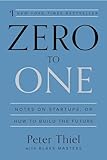
Peter Thiel’s Zero to One ranks among the most influential and provocative business books of the past decade — a contrarian manifesto on how to build something genuinely new. Thiel’s central argument is that real progress comes from going “zero to one” (creating something that did not exist before) rather than “one to n” (copying what works), and that the most valuable companies build durable advantages, even monopolies, by solving problems no one else has. Sharp, opinionated, and full of first-principles thinking, it pushes founders to think bigger and stranger.
The books below extend that conversation — the bold vision of the founder, the discipline of building, the realities of management, and the forces that make companies rise and fall. Some offer methodology, some hard-won management wisdom, some cautionary history, but all share Zero to One’s seriousness about the craft of building something that lasts.
Building the Company
#1 — The Lean Startup by Eric Ries
The essential methodological companion to Zero to One. Where Thiel supplies the vision, Ries supplies the process: how to test ideas quickly, learn from customers, and build a venture without wasting years on something no one wants. Its concepts — the minimum viable product, validated learning, the build-measure-learn loop — have become the common language of modern startups, making it a must-read next step.
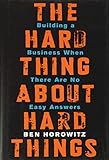
#2 — The Hard Thing About Hard Things by Ben Horowitz
If Zero to One is about vision, Horowitz’s book is about survival. Drawing on his own brutal experience as a founder and CEO, he writes with unusual honesty about the decisions no one teaches you — layoffs, near-death moments, the loneliness of leadership. It is the realistic, unglamorous counterpart to Thiel’s big ideas, and indispensable for anyone actually building a company.
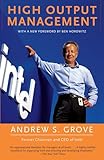
#3 — High Output Management by Andrew Grove
The legendary Intel CEO’s classic on management remains one of the most respected books ever written on how to actually run an organization. Rigorous and practical, it complements Zero to One’s strategic vision with the operational discipline required to execute it, and it has shaped generations of Silicon Valley leaders.
Innovation and Why Companies Win or Lose
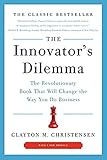
#4 — The Innovator’s Dilemma by Clayton Christensen
Christensen’s classic explains why great, well-run companies get disrupted by upstarts — the central drama of the world Zero to One operates in. Best read critically, as its theory has been debated, it nonetheless offers an essential framework for understanding disruption and the vulnerabilities of incumbents that new ventures can exploit.
#5 — Good to Great by Jim Collins
Collins’s influential study of what separates merely good companies from enduring great ones complements Thiel’s focus on building something lasting. Read with awareness of its methodological critiques, its concepts — disciplined people, confronting brutal facts, the flywheel — remain a useful lens on what makes companies durable over the long term.
#6 — The Innovators by Walter Isaacson
Isaacson’s sweeping history of the people who created the computer and internet age illuminates how genuine innovation actually happens — through collaboration, vision, and timing. For Zero to One readers fascinated by the origins of transformative technology, it offers rich, inspiring context for Thiel’s argument about creating the genuinely new.
Vision, Grit, and the Founder’s Journey
#7 — Shoe Dog by Phil Knight
The Nike founder’s candid memoir is the emotional heart of the founder’s journey — the doubt, debt, obsession, and luck behind building an iconic company. Gripping and humane, it gives the human story beneath the strategy, and reminds readers that behind every “zero to one” company is a person willing to risk everything.
#8 — Originals by Adam Grant
Grant’s research-driven exploration of how non-conformists drive change speaks directly to Thiel’s contrarian ethos. Examining how original thinkers generate and champion new ideas, it offers an accessible, evidence-based complement to Zero to One’s celebration of independent, against-the-grain thinking.
#9 — Start with Why by Simon Sinek
Sinek’s influential book argues that the most successful builders and leaders begin with a clear sense of purpose. Its emphasis on vision and conviction as the foundation of great companies resonates with Thiel’s insistence that founders need a bold, defining idea — the “why” behind going from zero to one.
#10 — The E-Myth Revisited by Michael Gerber
A classic on why most small businesses fail and how to build one that works without you, Gerber’s book complements Zero to One’s big-picture vision with the unglamorous discipline of systems and process. Where Thiel pushes founders to think bigger, Gerber insists they also think operationally — building a business that runs as a repeatable system rather than depending on the heroics of its founder. Together they cover both the vision and the machinery of a lasting company.
Bonus Picks
Two more titles deserve a place on any founder’s shelf. Built to Last by Jim Collins and Jerry Porras examines the habits of visionary companies that thrive across generations — read critically for survivorship bias, but valuable on purpose-driven institution-building. And Crossing the Chasm by Geoffrey Moore remains the classic guide to the hardest step for any new product: moving from early adopters to a mainstream market. Taken together, these books map the full arc of building something that lasts: Thiel and Sinek for vision, Ries for method, Horowitz and Grove for the hard realities of running a company, Christensen and Collins for the forces that decide who survives, and Knight for the human cost and reward of the journey. Each approaches the founder’s challenge from a different angle, and the most ambitious builders read across all of them.
Affiliate disclosure: Links to Amazon on this page are affiliate links. We earn a small commission at no extra cost to you.
Frequently Asked Questions
What should I read after Zero to One?
The two essential companions are Eric Ries's The Lean Startup, which offers the methodology for testing and building a new venture, and Ben Horowitz's The Hard Thing About Hard Things, which covers the brutal realities of actually running one. Together with Zero to One's emphasis on bold, contrarian vision, they form the core curriculum for founders.
Is Zero to One only for tech startups?
While Thiel draws heavily on Silicon Valley, the book's core ideas — building something genuinely new rather than copying, thinking from first principles, the value of focused vision and even monopoly — apply to any ambitious venture. Many readers outside tech find its contrarian, big-picture thinking valuable for strategy, creativity, and career decisions of all kinds.
What are the best business books for entrepreneurs?
Alongside Zero to One, the most recommended books for founders include The Lean Startup (methodology), The Hard Thing About Hard Things (management reality), The Innovator's Dilemma (why incumbents fail), Good to Great (what makes companies endure), and Shoe Dog (the founder's emotional journey). Each covers a different dimension of building something lasting.