The best business books are not about business — they are about how organisations work, how people make decisions under uncertainty, and what separates companies that last from those that don't. These are the titles that have stood the test of time.
Nike founder Phil Knight's memoir of building one of the world's most iconic brands — from $50 borrowed from his father and a handshake deal for Japanese running shoes to a multi-billion dollar empire. Brutally honest and compulsively readable.
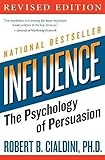
The definitive book on the psychology of persuasion. Cialdini identifies six universal principles — reciprocity, commitment, social proof, authority, liking, and scarcity — that drive human compliance, and shows how they are exploited in sales, marketing, and everyday life.
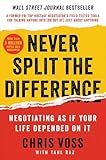
Former FBI lead hostage negotiator Chris Voss reveals the counter-intuitive techniques he developed for life-or-death negotiations — and shows how they apply to salary talks, business deals, and everyday persuasion. The key insight: humans are not rational actors, and the best negotiators use emotional intelligence, not logic.
Wharton professor Ethan Mollick — one of the most trusted guides to AI in the business world — offers practical wisdom on how individuals and organisations can work effectively with AI systems while maintaining the human judgment that makes the collaboration valuable.
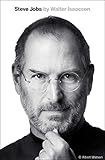
The authorised biography of Apple co-founder Steve Jobs, based on more than forty interviews with Jobs and over one hundred with family members, friends, adversaries, and colleagues.
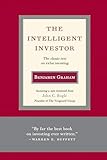
Warren Buffett calls it 'the best book about investing ever written.' First published in 1949, Graham's value investing principles have stood up to every market cycle since. The revised edition includes commentary by Jason Zweig placing Graham's timeless wisdom in modern context.
A curated collection of Charlie Munger's speeches, talks, and aphorisms covering his mental models framework, investment philosophy, and worldview — edited by Peter Kaufman and long considered one of the most important books in serious investor and intellectual circles.
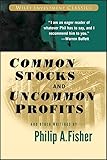
A classic of investment literature that established growth investing as a discipline, introducing the 'scuttlebutt' research method and fifteen key questions for evaluating any company.
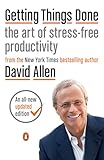
The definitive guide to stress-free productivity, introducing the GTD method for capturing, clarifying, organising, and engaging with all your commitments.
Jim Collins and his research team studied 1,435 companies over 40 years to answer one question: what distinguishes companies that make the leap from good to great? The answer — built on years of rigorous data analysis — is surprising, counter-intuitive, and deeply applicable beyond business.
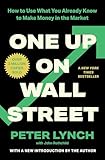
Peter Lynch, the manager of the legendary Magellan Fund, explains how ordinary investors can use their everyday experiences to find exceptional stock market opportunities.
First published in 1934 in the aftermath of the Great Crash, Benjamin Graham and David Dodd's foundational text establishes the principles of value investing — rigorous financial analysis, margin of safety, and the distinction between investment and speculation — that remain the intellectual bedrock of serious equity analysis.
Netflix co-founder Reed Hastings reveals the unorthodox culture that drives the company's success — and the specific practices behind radical candor, talent density, and freedom with responsibility.
A guide to being a boss who cares personally while challenging directly — and building a culture of feedback that makes both people and results better.
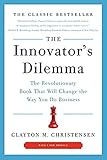
Why great companies can do everything right and still lose market leadership — and how new entrants use disruptive innovation to topple industry leaders.
Former World Series of Poker champion Annie Duke argues that all decisions are bets — commitments made under uncertainty — and that the key skill in life and business is separating the quality of a decision from the quality of its outcome.
Deep work is the ability to focus without distraction on a cognitively demanding task. Cal Newport argues it's both rare and valuable in our economy — and if you master it, you'll thrive.
First published in 1936, Dale Carnegie's landmark guide to human relations has sold over 30 million copies. Its principles on listening, appreciation, and persuasion remain as applicable in modern workplaces and relationships as they were in the 1930s.
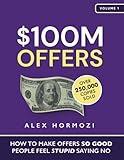
Alex Hormozi breaks down how to construct irresistible business offers by maximizing value and eliminating the objections that prevent customers from saying yes.
Wall Street Journal reporter John Carreyrou tells the complete story of how Elizabeth Holmes and Theranos defrauded investors and endangered patients with a blood-testing technology that didn't work.
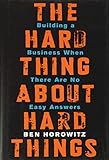
Zero to One by Peter Thiel, The Lean Startup by Eric Ries, Good to Great by Jim Collins, and Thinking, Fast and Slow by Daniel Kahneman form the core reading list for most serious business professionals. The Hard Thing About Hard Things by Ben Horowitz is essential for founders.
The most consistently cited titles among executives include Good to Great, The Hard Thing About Hard Things, Zero to One, Sapiens, and Thinking, Fast and Slow — books that combine strategic frameworks with genuine intellectual depth rather than simple advice.
One high-quality business book per month is the most common recommendation — enough to absorb and apply each book before moving to the next. Quality matters more than volume: rereading a great book often yields more than reading ten mediocre ones.
Disclosure: Amazon links on this page are affiliate links. If you purchase through them we earn a small commission at no extra cost to you.
We use cookies to understand how visitors use our site (Google Analytics). No data is collected until you accept.
Privacy Policy