Evidence-based books on physical and mental health, sleep science, fitness, and human performance. We focus on books backed by rigorous research, not fad trends.
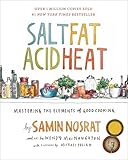
James Beard Award-winning chef Samin Nosrat teaches the four fundamental elements that make food delicious — salt, fat, acid, and heat — and how to use them to cook confidently without recipes.
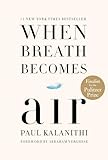
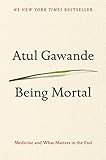
A neurosurgeon diagnosed with terminal lung cancer at 36 confronts the questions he spent his career preparing to face — and writes a book about mortality, meaning, and what makes a life worth living.
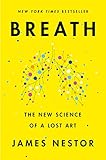
A science journalist investigates the health implications of how we breathe — and finds that most people are doing it wrong, with significant consequences for their health.
A Stanford psychiatrist explains how the flood of dopamine-triggering pleasures in modern society creates compulsive behaviour — and how to reset the pleasure-pain balance.
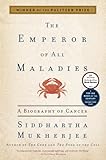
A Pulitzer Prize-winning history of cancer — its origins, treatments, and future — told through the stories of patients, scientists, and physicians across centuries.
Ottolenghi's groundbreaking vegetable cookbook that transformed how the culinary world thinks about vegetables — not as sides or afterthoughts but as the full expression of a meal.
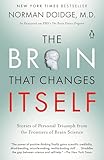
Stories of personal triumph from the frontiers of brain science, revealing how the brain's lifelong capacity to change its own structure — neuroplasticity — offers hope for previously untreatable conditions.
A Harvard geneticist argues that aging is a disease — one that can be treated — and shares the cutting-edge research on sirtuins, NAD+, and the information theory of aging.
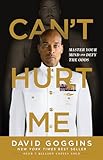
The memoir of Navy SEAL and ultramarathon runner David Goggins — from a traumatic childhood and an overweight, unfulfilled existence to becoming one of the world's elite endurance athletes.
Surgeon Atul Gawande examines how medicine has failed dying patients by prioritizing survival over quality of life, and what better approaches to aging and end-of-life care look like.
Bill Bryson's comprehensive and entertaining tour through the human body — covering anatomy, physiology, the history of medicine, and the extraordinary complexity of the systems keeping us alive.
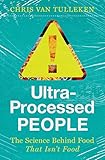
British infectious disease doctor Chris van Tulleken investigates the health effects of ultra-processed food and what the science says about why it's so difficult to stop eating it.
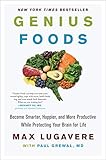
Max Lugavere presents the research on diet and brain health, identifying ten foods that improve cognitive function and protect against dementia and cognitive decline.
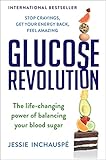
Biochemist Jessie Inchauspé explains the science of blood sugar spikes and provides ten practical hacks for flattening glucose curves without giving up the foods you love.
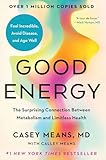
Stanford-trained surgeon Casey Means argues that mitochondrial dysfunction is the root cause of most chronic disease and presents a comprehensive lifestyle framework for optimizing metabolic health.
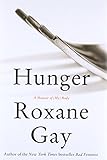
Roxane Gay writes about her body — fat, surveilled, weaponized against her — and the sexual violence that shaped her relationship with it, with unflinching honesty and structural precision.
Journalist Michael Easter spends 33 days hunting in the Alaskan wilderness while investigating the science of why modern comfort is making us physically and mentally worse, and what embracing discomfort can do for our lives.
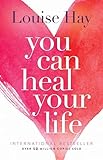
Louise Hay argues that our thoughts create our experiences — and that by changing our thinking patterns, particularly through loving the self, we can transform every area of our lives.
Johann Hari investigates the global attention crisis — why it's harder to focus than ever — and interviews scientists to identify both the causes and possible solutions.
Tim Ferriss applies his 80/20 optimisation philosophy to the human body — covering fat loss, muscle gain, sleep, sex, and extreme athletic performance with self-experimental data.